

Teaching, journaling, and finding joy—one page at a time.
Hi, I’m Stephanie—writer, educator, wife, mom, and lifelong notebook-carry-er. Here on Writing Mindset, I share real-life reflections on motherhood, wellness, creative journaling, intentional planning, and teaching reading and writing to kids. Whether I’m scribbling ideas in the margins, testing out a new recipe from Pinterest, or savoring my third cup of coffee (no shame!), this space is all about finding joy in the everyday and using writing as a tool to live more mindfully.
About Me
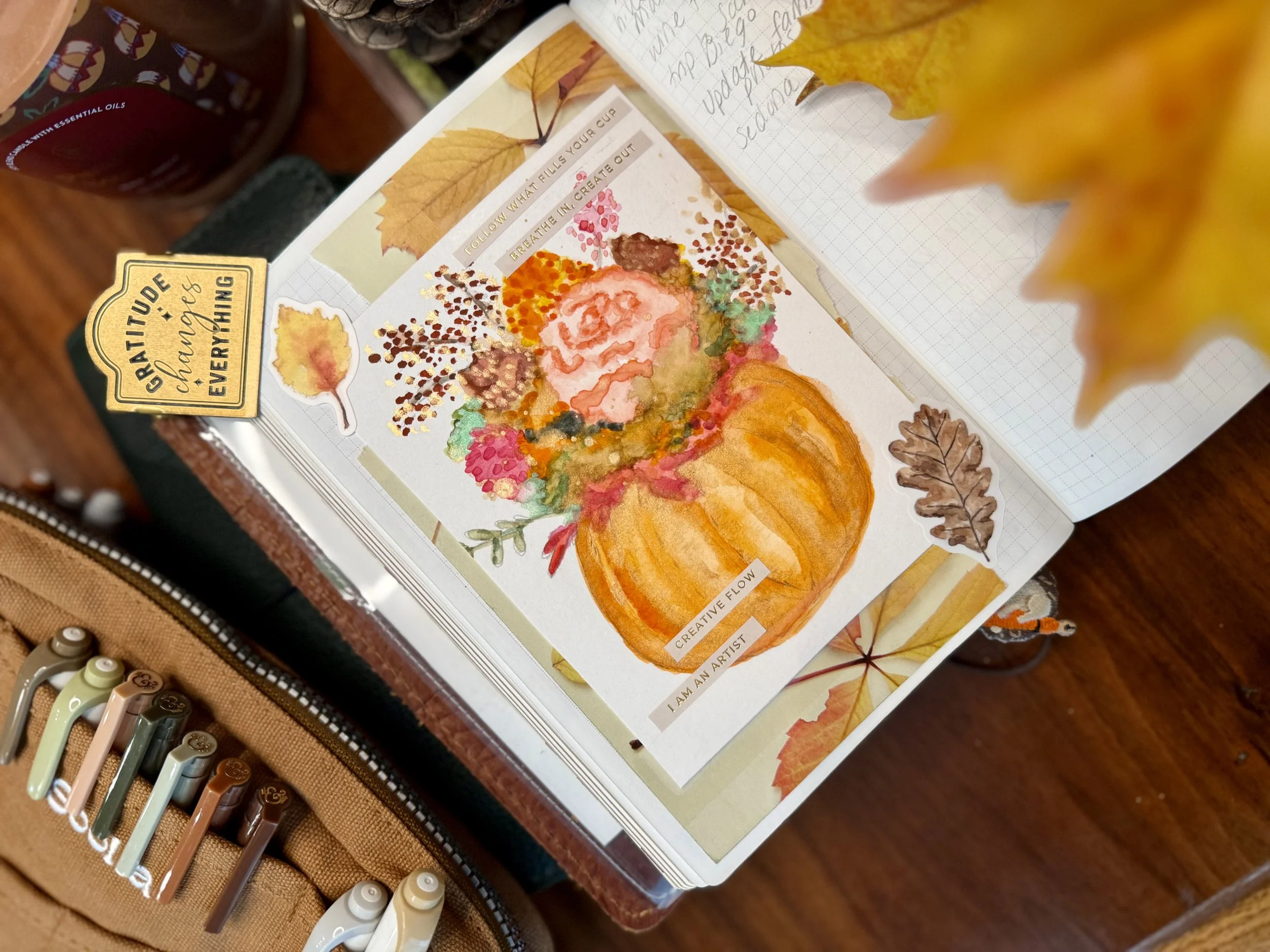
Find Your Practice
Tools for thought, writing, noticing, and reflection.
Carry a notebook. See what happens.
A notebook can be so much more than a place to write.
It can be where you notice the ordinary, catch an idea, make a plan, remember a moment, work through a question, make something, or simply pay attention to your life.
Writing Mindset creates small practices, prompts, and tools that help you discover what your notebook can do for you.
No perfect system.
No rules for filling the pages.
Just more reasons to carry a notebook.

After Dinner: A Small Evening Ritual for Paying Attention to Your Life
A five-minute evening journaling ritual to slow down, find presence, and notice the everyday moments that make up your life.
Look Again: A Practice of Everyday Noticing
A simple everyday noticing practice to slow down, look closer, and discover the little moments you might otherwise miss.
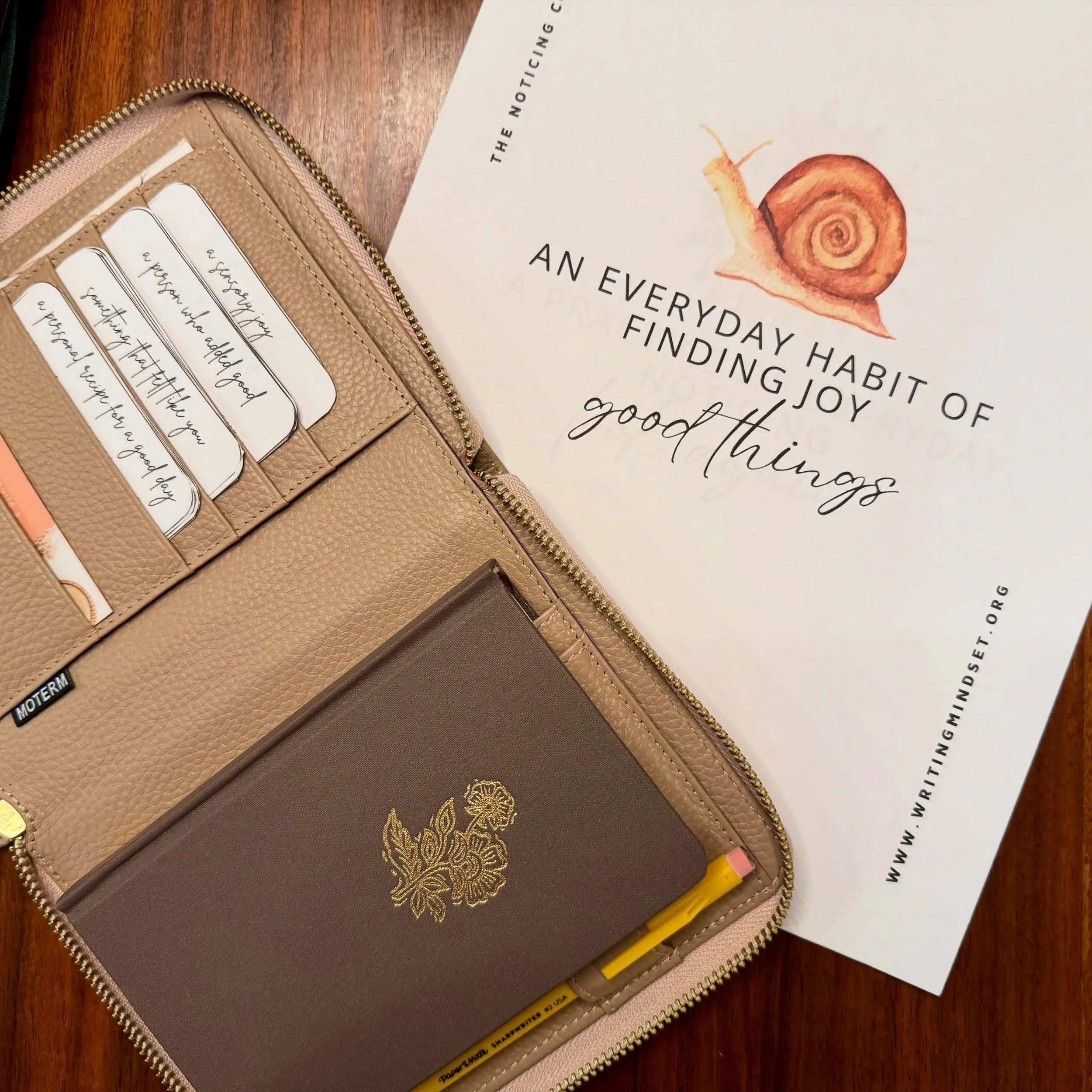
Good Things: An Everyday Habit of Finding Joy
A simple everyday habit for noticing what’s good, recognizing what matters, and finding something to carry forward.
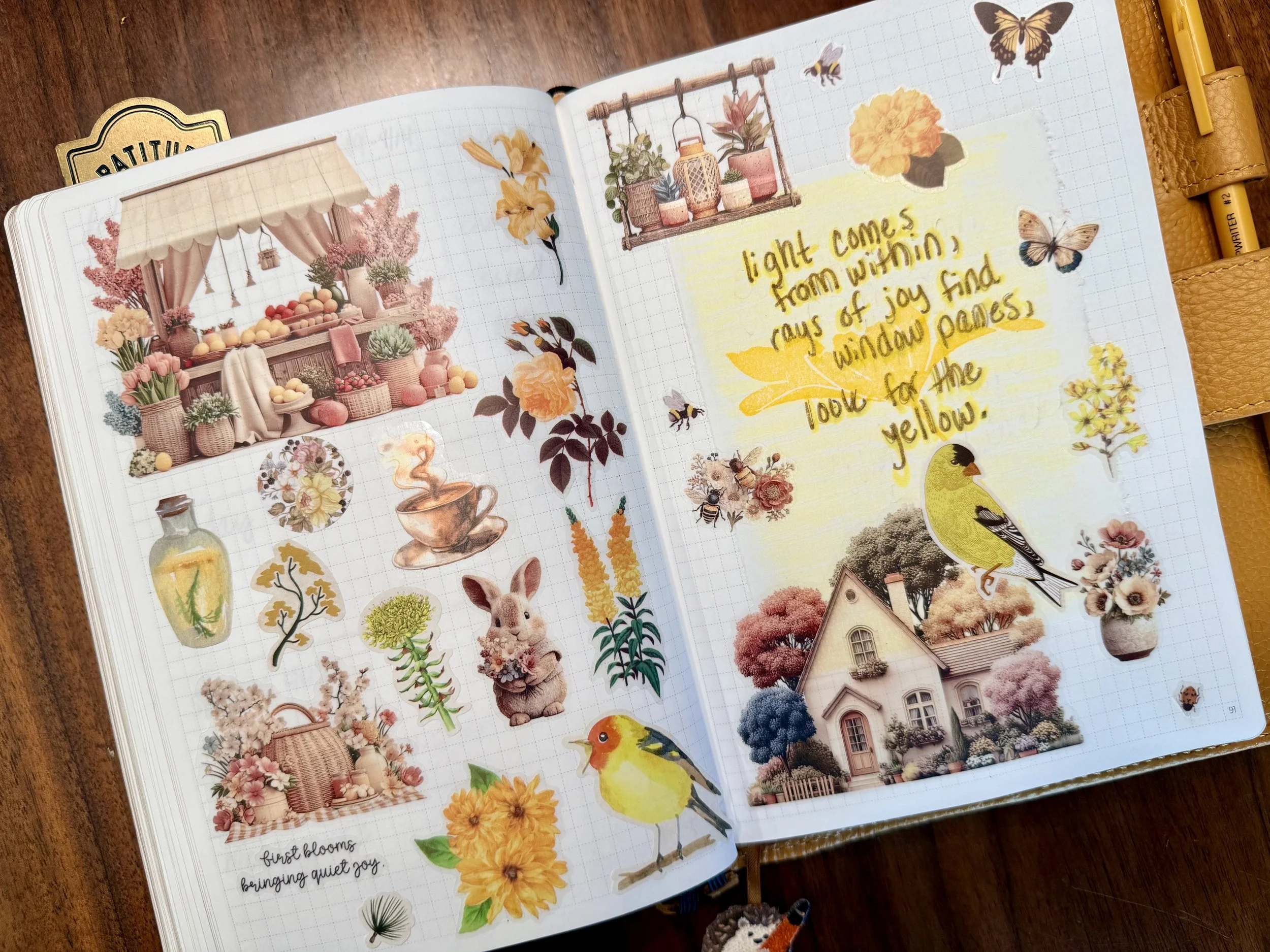
Practice & Prompts
Try a new way to use your notebook
September Journaling Practice & Prompts
Create a September Snapshot: Record the little details of your life right now. What are you reading, eating, watching, listening to, wearing, learning, and looking forward to?
Make a Fall Bucket List: Create a list of 10–20 things you would genuinely enjoy doing this fall. Include tiny pleasures alongside bigger plans.
Map Your Current Season: Draw a simple map of your life right now. Add the people, places, routines, responsibilities, joys, and challenges that are shaping this season.
Collect September: Fill a journal page with words, colors, receipts, photos, doodles, pressed leaves, packaging, or other little pieces that represent this month.
Write a Letter to October: Imagine you are writing to yourself one month from now. What do you hope you have noticed, accomplished, experienced, or made time for?
Create a Cozy Menu: Design your ideal fall menu. Include breakfasts, dinners, baked goods, drinks, snacks, and one meal you would love to share with someone.
Make a “Lately” List: Finish the sentence “Lately, I have been…” as many times as you can. Let the list capture your current interests, thoughts, routines, discoveries, and obsessions.
Photograph a Fall Moment: Take a photo of something that feels like fall to you. Paste or sketch it in your journal, then write about why this particular moment caught your attention.
Create a Seasonal Comfort List: Make a list of the things that help fall feel comforting to you. Include sensory experiences, people, places, activities, foods, books, movies, and routines.
Take Yourself on a Noticing Walk: Go outside with your journal and record 10 things you might normally overlook. Look closely at colors, textures, sounds, shadows, plants, architecture, and signs of seasonal change.
Make a “More of This” Page: Instead of setting traditional goals, create a page of things you want more of this fall. More slow mornings? More creativity? More time outside? More connection?
Document an Ordinary Day: Choose an ordinary September day and document it from beginning to end. Pay attention to the details you might otherwise forget.
Create a Fall Color Palette: Choose five to ten colors that represent fall in your world. Find them in your surroundings, magazines, photographs, or art supplies and create a colorful journal spread.
Write About What Feels Different: What feels different about your life compared with this time last year? Consider your routines, relationships, priorities, interests, surroundings, and sense of self.
Make a Seasonal Reading List: Choose books that match the feeling you want from fall. They might be cozy, mysterious, nostalgic, inspiring, adventurous, or simply books you've been wanting to read.
Design Your September Soundscape: Instead of making a playlist, describe the sounds of your September. What do you hear in the morning, outside your window, at school or work, in your car, or during quiet moments?
Create a Fall Memory Jar: Draw a jar in your journal and add small memories throughout the season. Add a new one whenever something makes you laugh, feel grateful, surprised, peaceful, or connected.
Write a “Right Now” Page: Forget the big picture for a moment. What is true about your life right now? Capture the people, places, routines, questions, hopes, and tiny joys that define this particular moment.
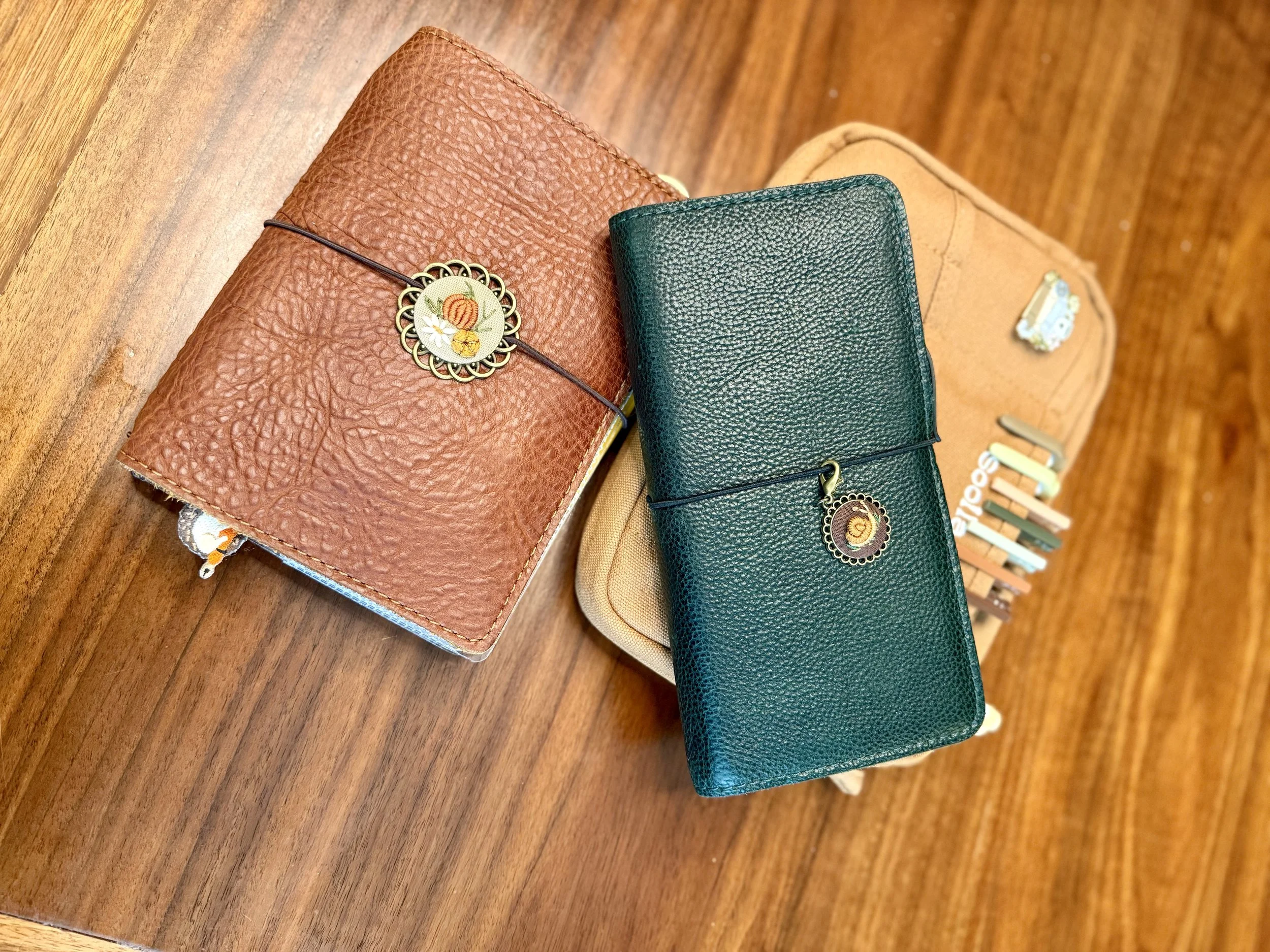
Current Notebook Inspiration
Books, Accessories, and More (Click on Images)
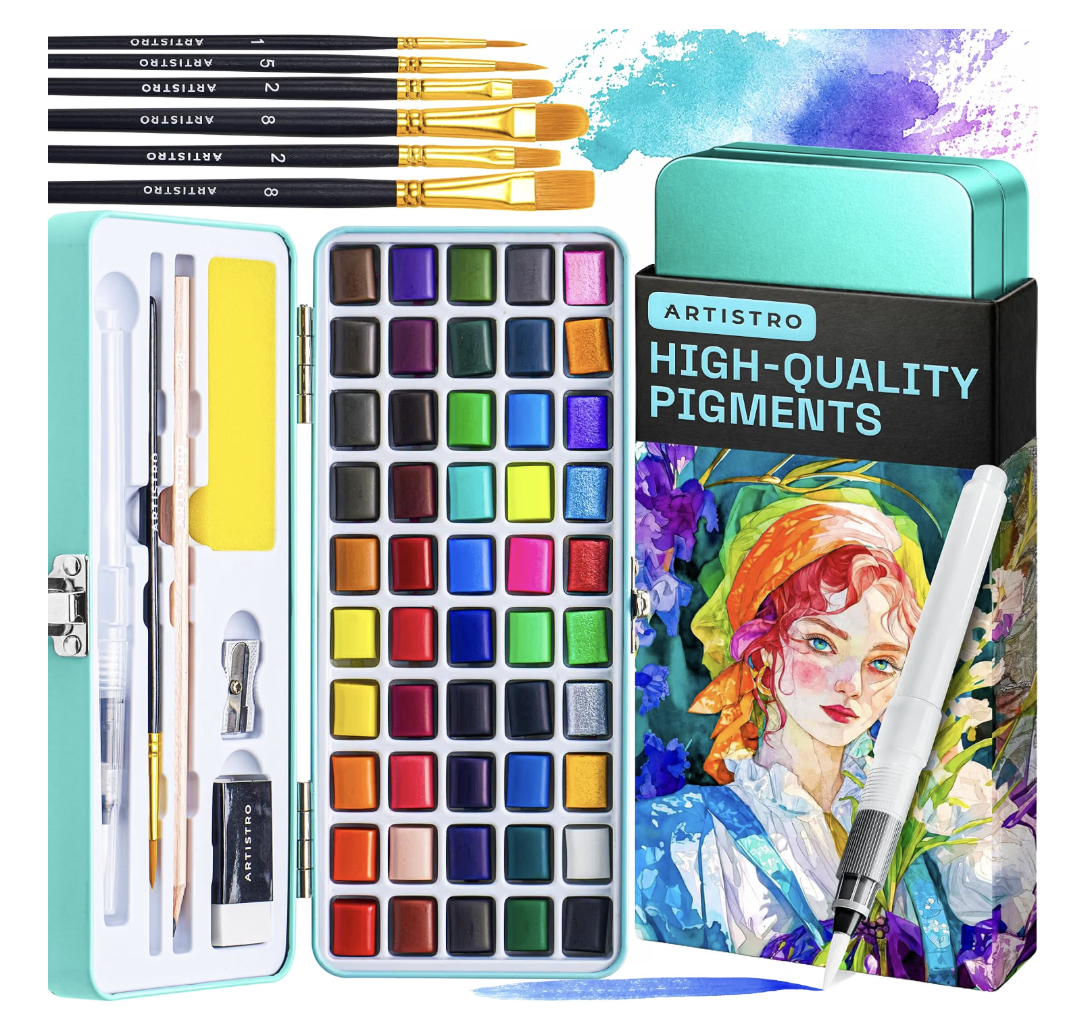
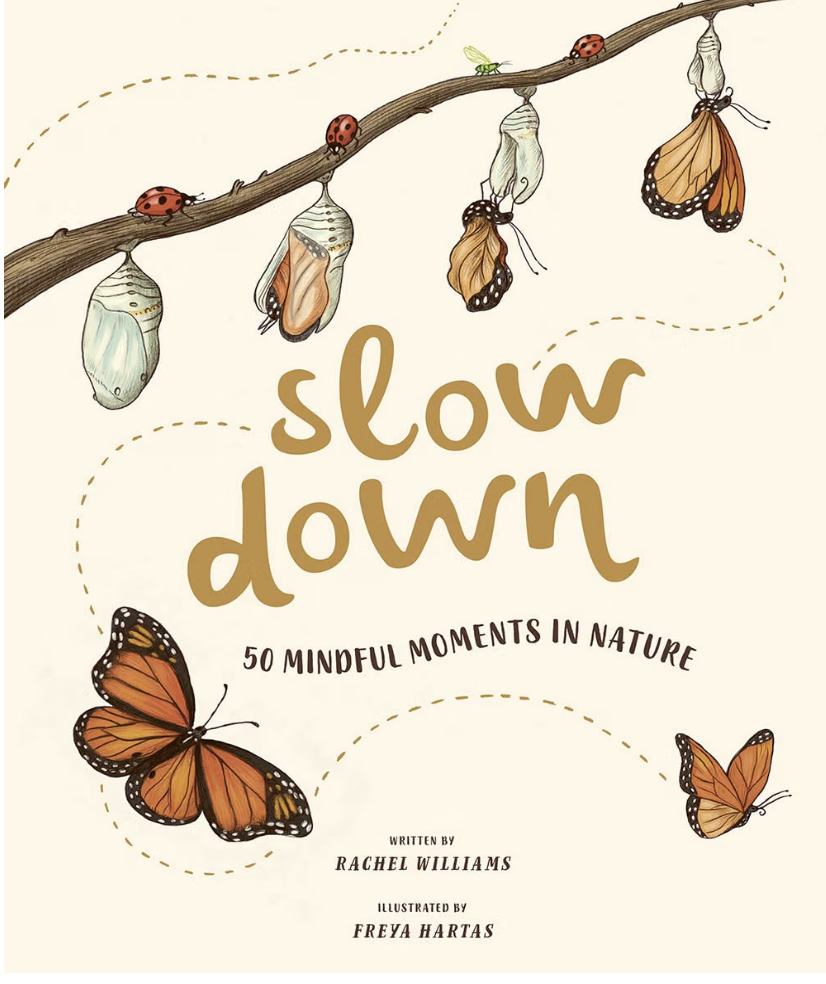
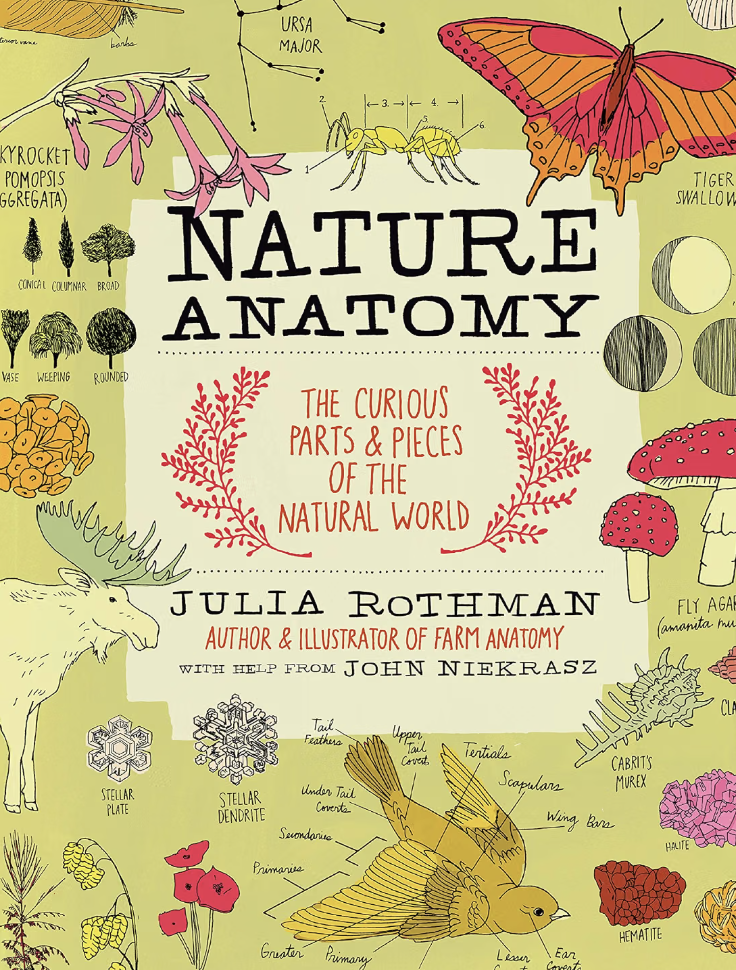

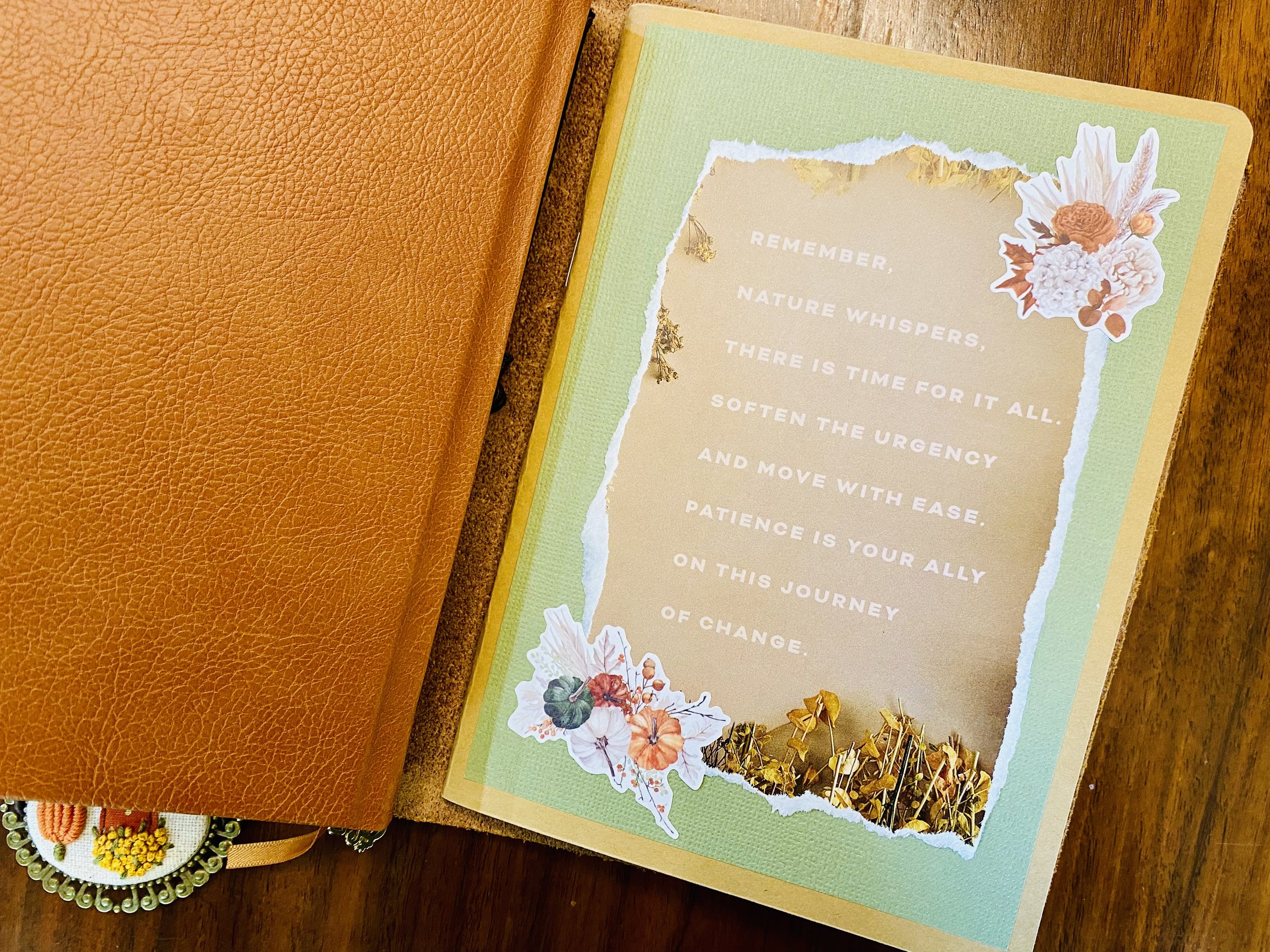
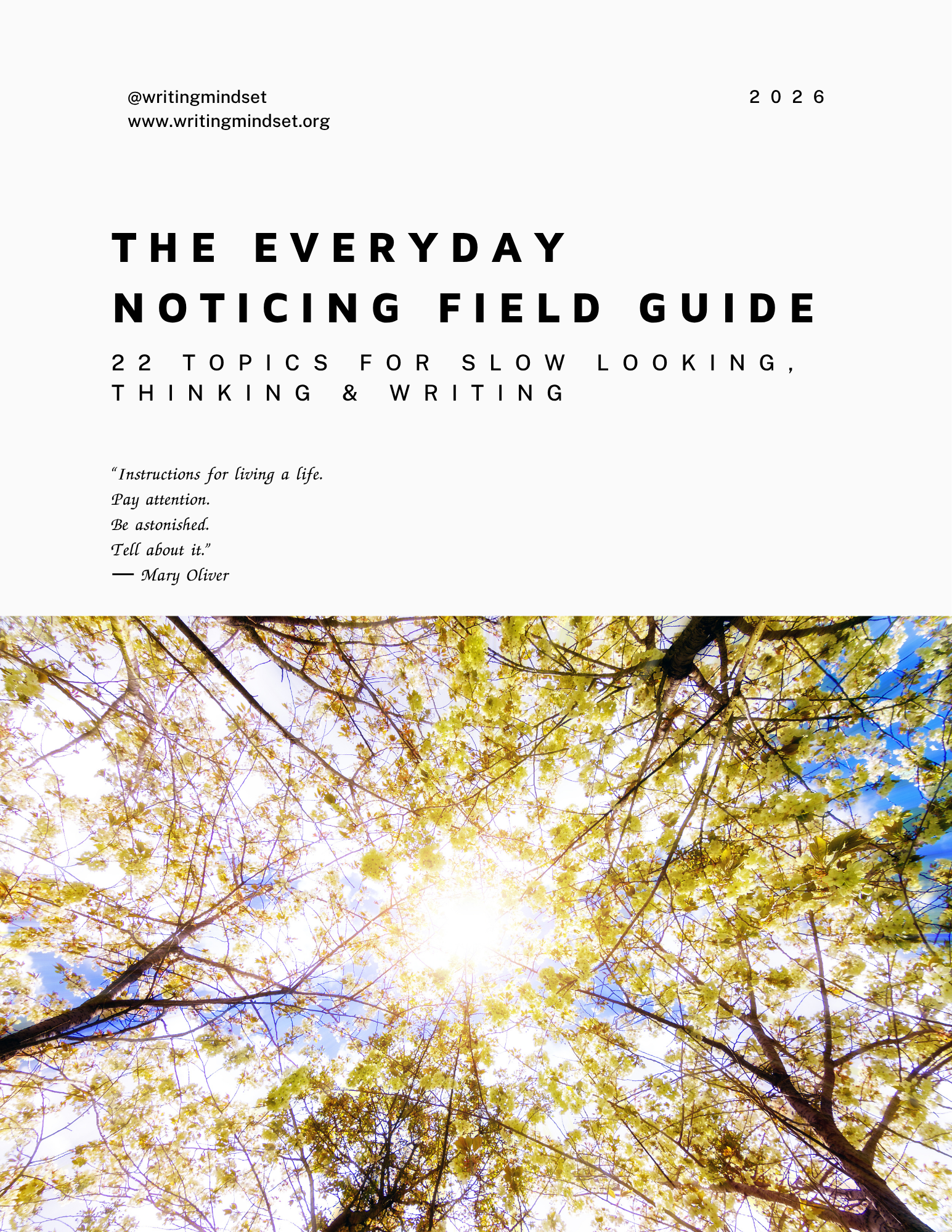
Carry Noticing Into Fall:
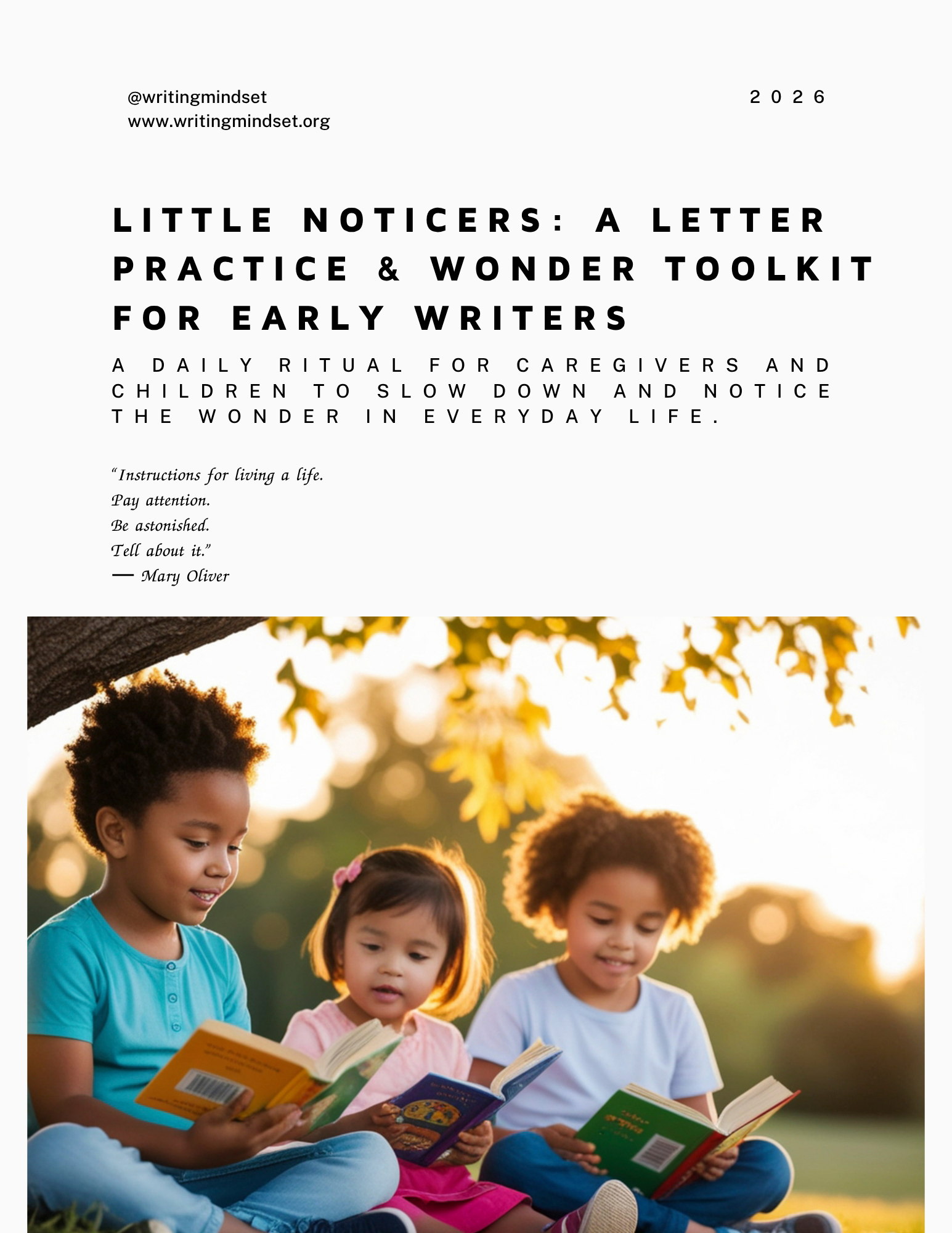
The Everyday Noticing Field Guides & Little Noticers:
A Letter Practice & Wonder Toolkit for Early Writers
What happens when we slow down long enough to truly notice the world around us?
A simple approach to building stronger writers using the books you already have and the world around us.
Inside Writing Mindset
-

Teaching
The teaching category on Writing Mindset offers resources and insights on disciplinary literacy, English language arts, and writing instruction, all aimed at enriching classroom practices. Explore mentor texts, lesson examples, and strategies to deepen literacy across subjects and inspire student writers.
-

Journaling
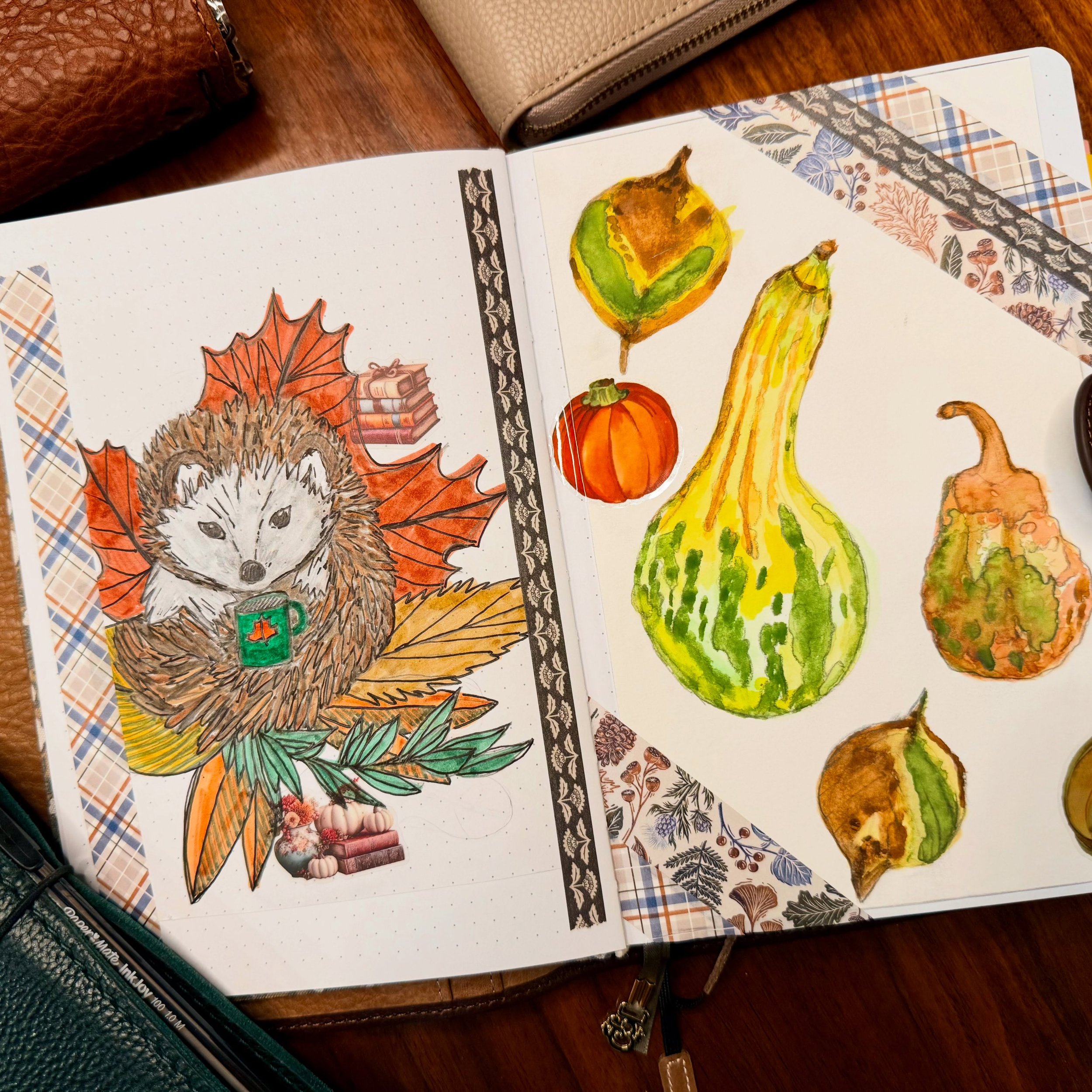
The journaling category on Writing Mindset is your go-to for product recommendations, creative layout ideas, and inspiring journaling prompts. Whether you’re new to journaling or looking to refresh your practice, you’ll find tips and inspiration to make every page meaningful.
-

Motherhood
The motherhood category on Writing Mindset shares heartfelt affirmations, creative learning ideas, and honest reflections on navigating life with a toddler. It’s a space to find encouragement, practical tips, and relatable moments in the journey of early motherhood.
New Blog Posts
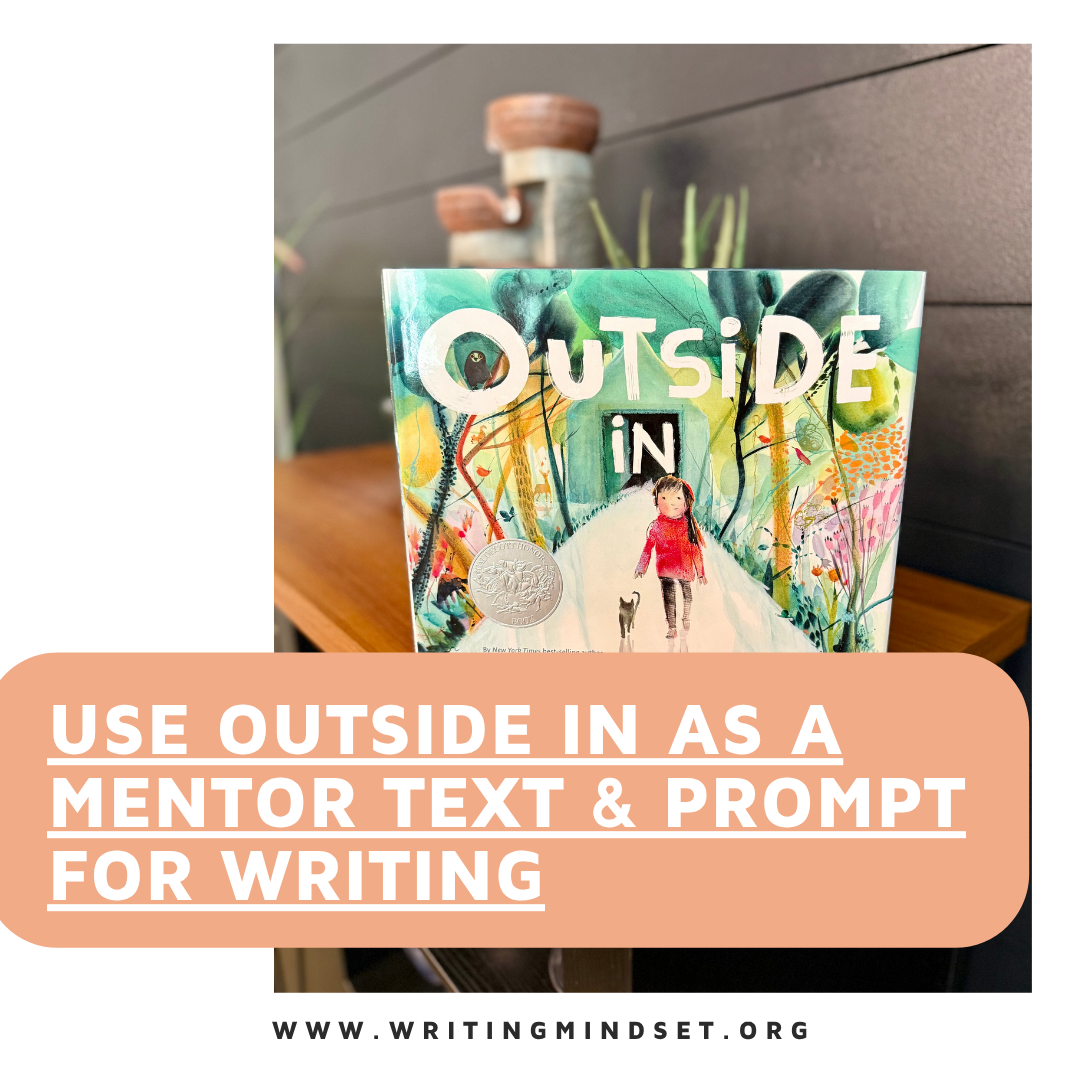
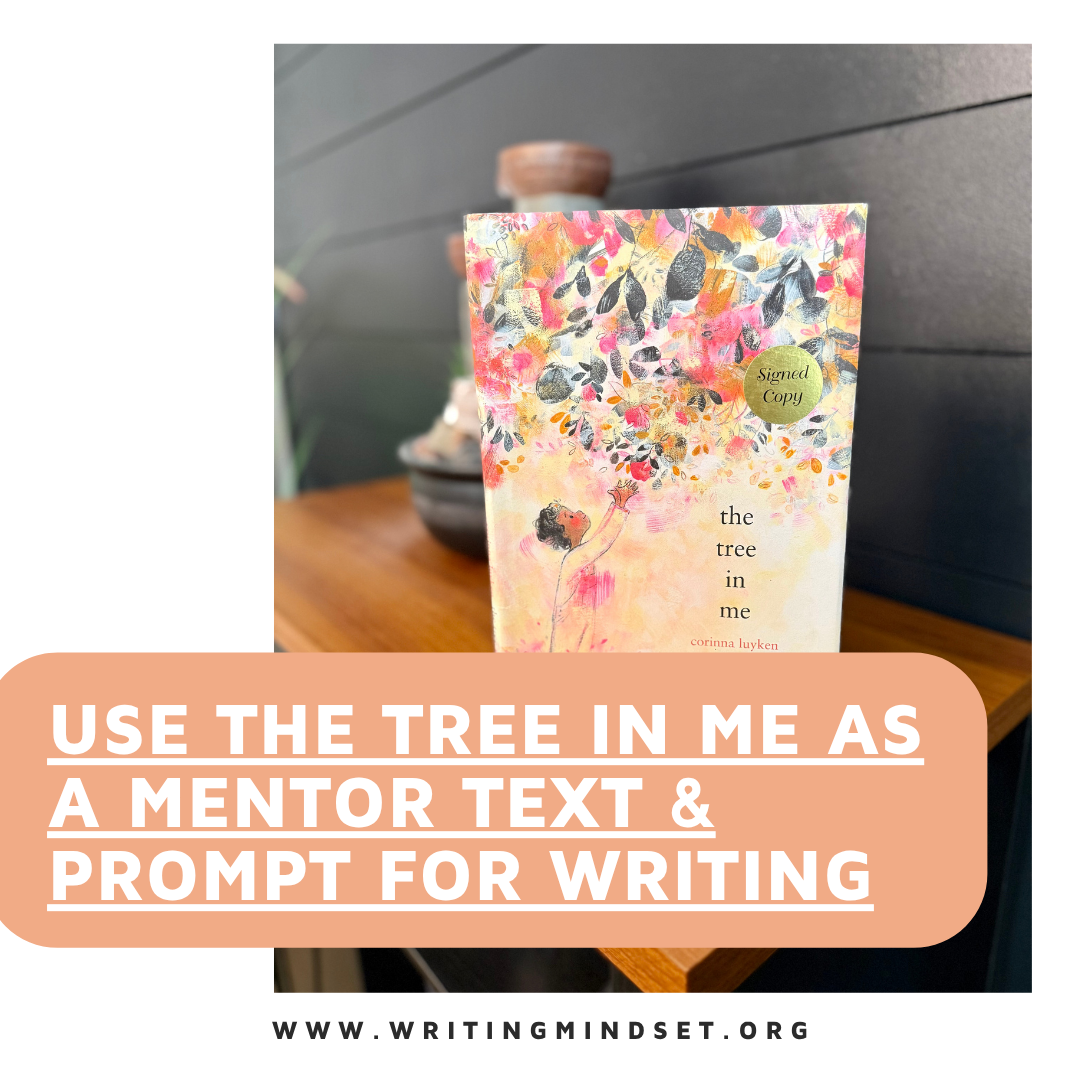

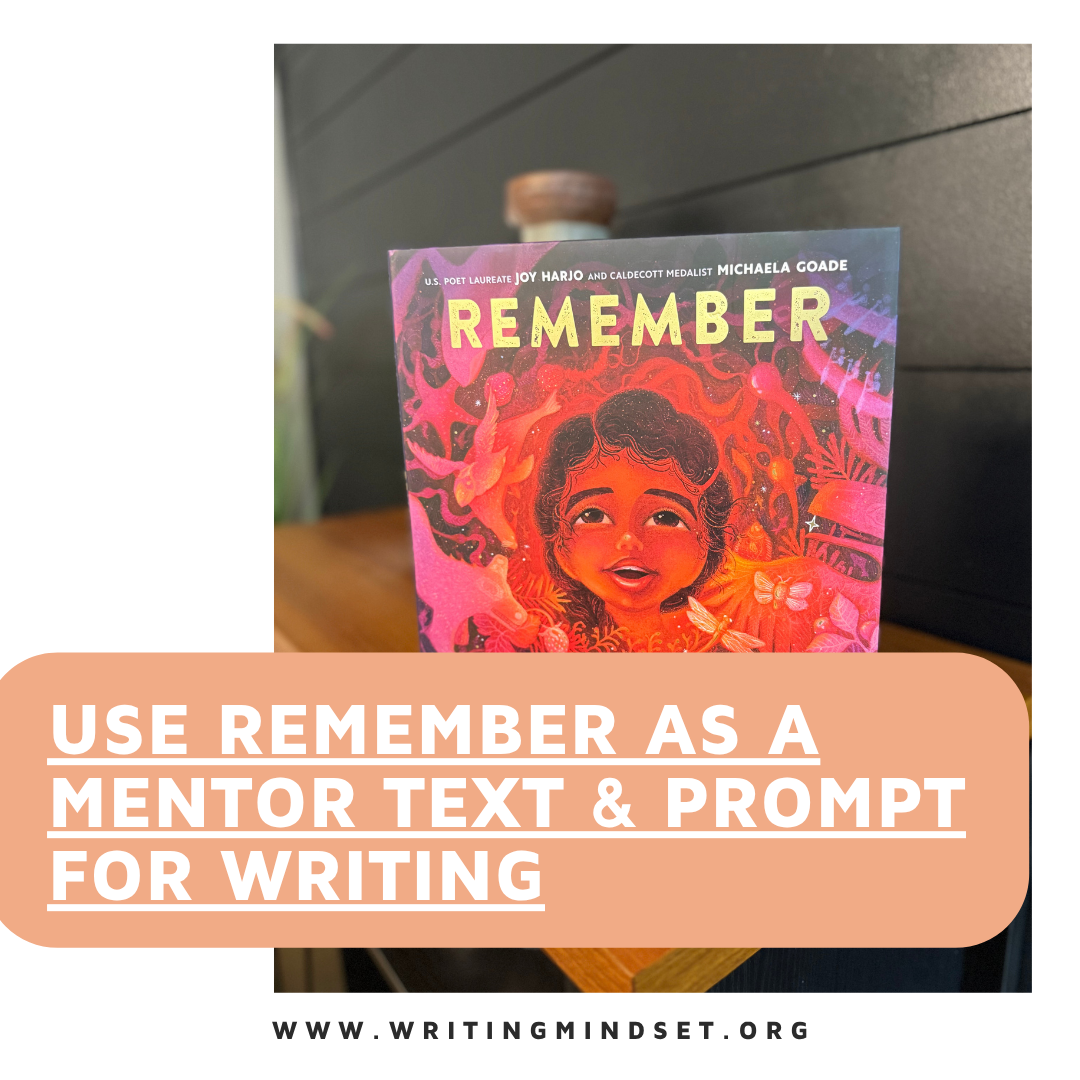
Mentor Text Features

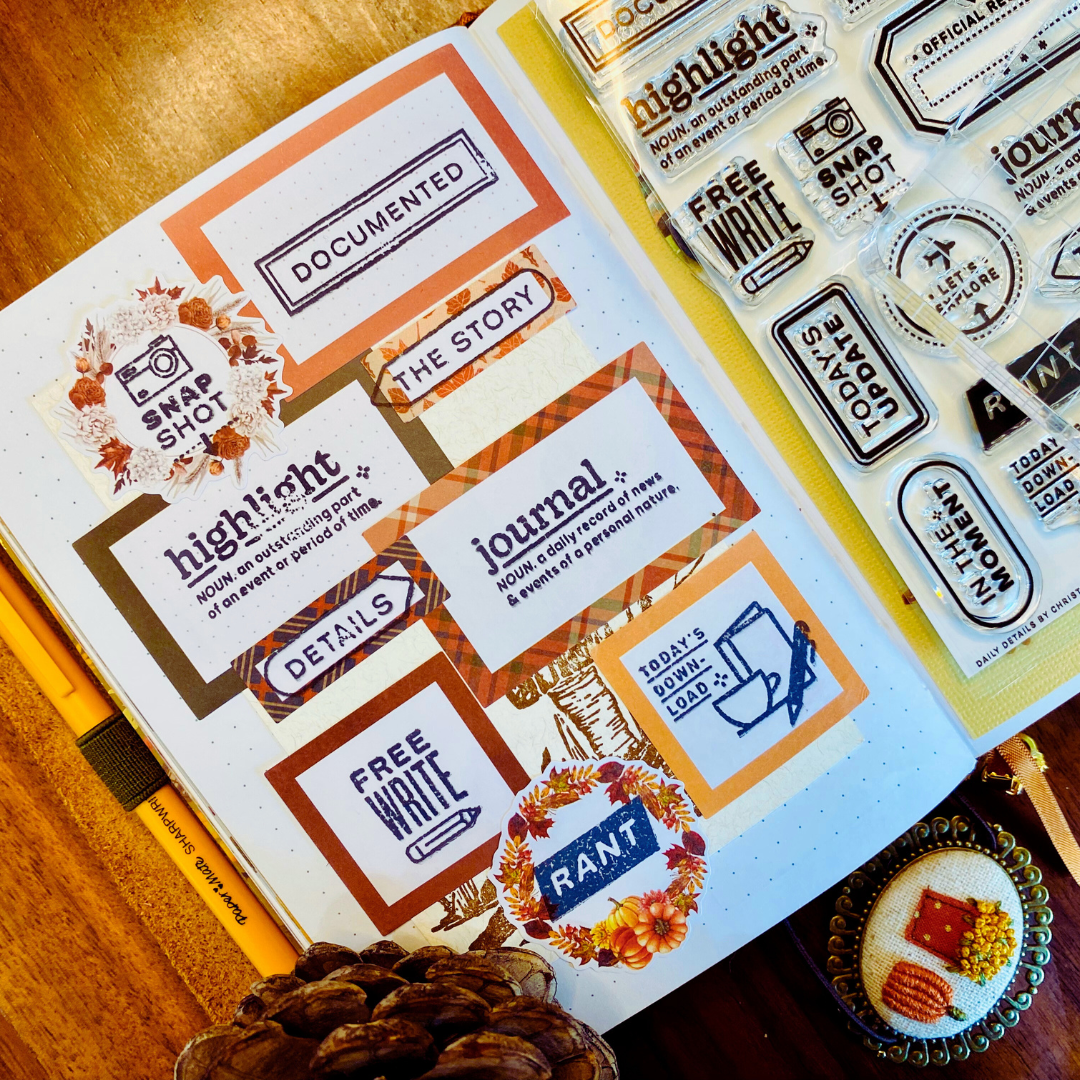
Start a Nature Journal
Use a Nature Journal to Observe, Reflect, and Learn
Have you ever noticed the first green buds of spring or the sound of birds returning after winter and wished you could capture the moment? A nature journal might be your new favorite tool for observing and reflecting on the changing seasons. If, at the beginning of the year, you wanted to deepen your connection with the outdoors but didn’t know where to start, this project could be just what you’re looking for. Let’s explore what a nature journal is and how you can start one tailored to your life—whether you're a teacher, a parent, or simply someone who finds joy in the natural world.
Today, nature journals are as unique as their creators. Think of it like your personal scrapbook of seasonal discoveries—only in physical form.
Observe and Record: Sketch or describe what you see in nature—buds on trees, blooming flowers, or changing cloud patterns.
Capture Sounds and Sensations: Write down bird songs, the feeling of the sun on your skin, or the scent of fresh rain.
Track Seasonal Changes: Note the first signs of spring and compare them over time to see patterns year after year.
Include Creative Elements: Press flowers, create leaf rubbings, or add watercolor sketches to bring your observations to life.
Reflect and Connect: Use your journal to write about how time spent in nature affects your mood, thoughts, and creativity.
With just a notebook and a few simple tools, you can create a beautiful record of spring’s arrival and your personal connection to the natural world.


The Writing Mindset Hub
Access free resources for teaching writing and working in any journal or notebook.
Current Resources Available:
Biography Writing Resources
Research Writing Resources
Mentor Text Resources
Informational Writing Resources
Narrative Writing Resources
Teaching Inspiration Resources
Argumentative Writing Resources
Journaling for Teachers
Substitute Plans
Book Lists/Recommendations
Canva Templates
Grading Writing Resources
Poetry Writing Resources
Journaling Decoration Resources
Generative Writing Resources


Join the Conversation
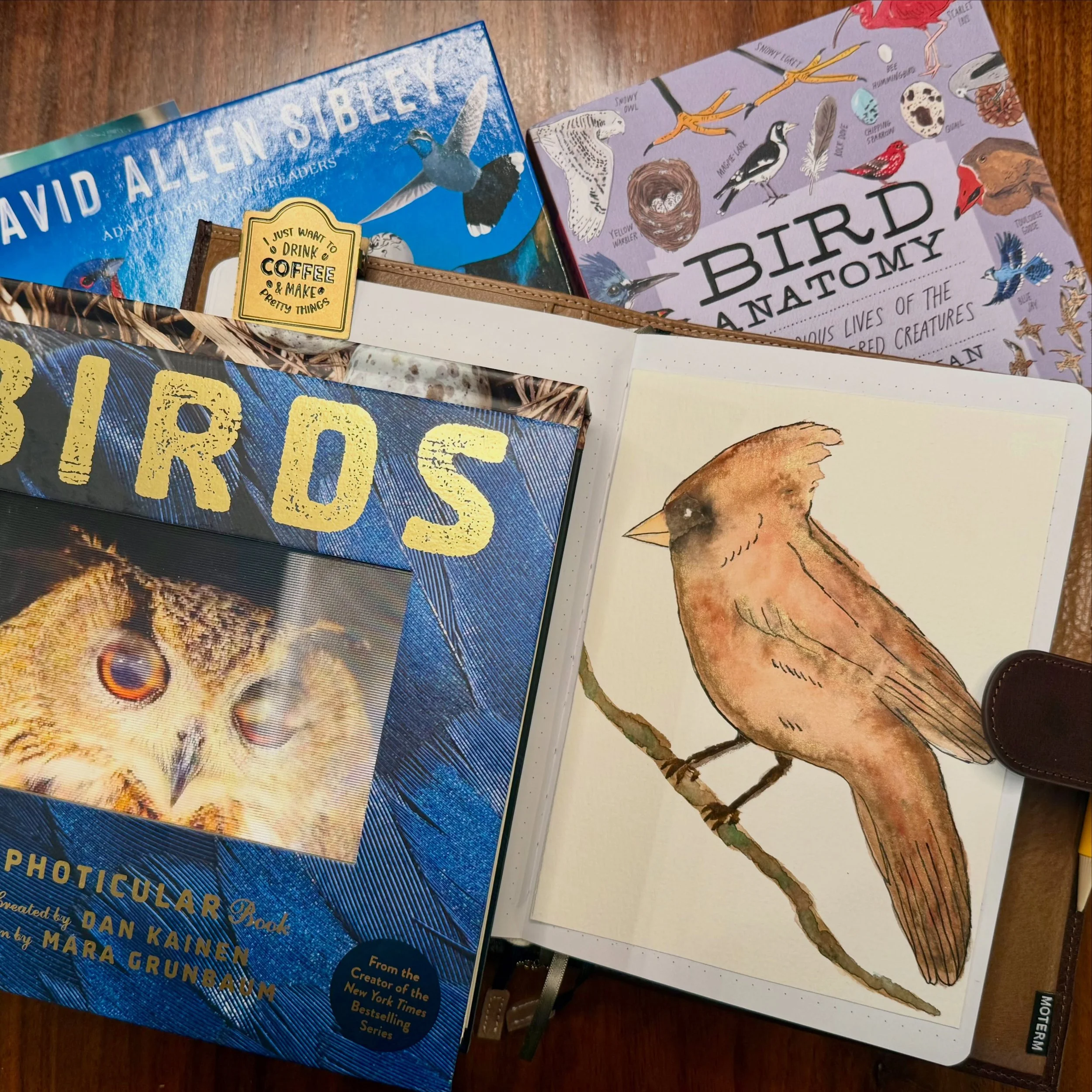


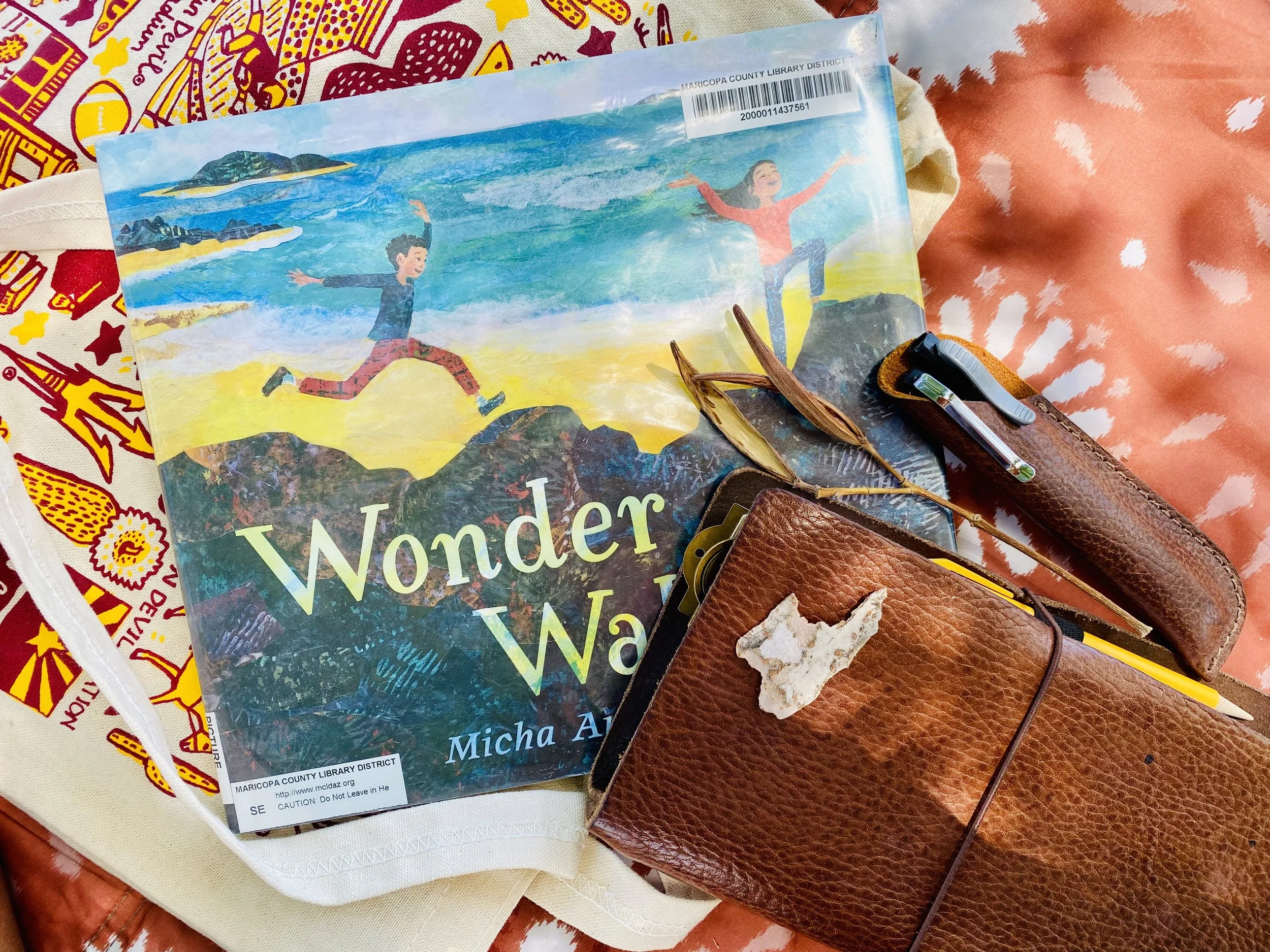
Mary Lyn Ray and Felicita Sala’s When You Find the Right Rock is a quiet celebration of attention and belonging—of the small, ordinary things that feel extraordinary when noticed with care. Through poetic language and luminous illustrations, Ray and Sala capture the simple act of finding a rock and transform it into something magical: a story about connection, grounding, and discovery. I think one of my favorite parts of this book when reading it to our little one was pausing on lines like,
For writers and journalers, this book is a meditation on presence. It reminds us that meaning often hides in small moments—holding a smooth rock, feeling its weight, noticing its color or warmth. When You Find the Right Rock invites us to pause, look closer, and find joy in what fits just right in our hands and hearts.
In this post, you can find…
Tips for using this book as a mentor text for writing
Ways to use the book with preschoolers, grades k-5, grades 6-8, grades 9-12, and for disciplinary literacy projects
Journaling prompts linked to the book (including nature journaling)
One grammar exercise to access grammar instruction